S8E18123 March 2024

S8E181: Antifragile Projects with Georgia Stillwell

S8E181

S8E181: Antifragile Projects with Georgia Stillwell

0:000:00
100%

In this episode, Val and Dale are joined by guest Georgia Stillwell to discuss anti-fragile projects and risk management in project management. Georgia shares her journey into project management, starting from her fascination with master planning in cities to her experience in risk management and construction technology. She explains the concept of anti-fragile projects, which are projects that thrive in uncertain and risky environments. The conversation delves into the challenges with traditional project planning methods and the need for more flexible and adaptable approaches. Georgia also discusses the role of technology in risk management and the importance of simplifying complex concepts for effective communication. In this conversation, Georgia Stillwell discusses the concept of anti-fragility in project management and how it can be achieved through the use of technology and human expertise. She emphasizes the importance of replicating the abilities of experienced planners and using AI to optimize project schedules. However, she also highlights the need for human validation and decision-making in complex construction projects. The conversation explores the role of contracts in project behavior and the challenges of harmonizing contracts with anti-fragility principles. The importance of leadership in creating a culture of anti-fragility and addressing human biases is also discussed.Takeaways Anti-fragile projects are projects that thrive in uncertain and risky environments, adapting and improving as challenges arise. Traditional project planning methods, such as critical path method, can be rigid and fail to account for the dynamic nature of projects. Technology, such as AI and software tools, can help optimize project planning and recovery by exploring different options and scenarios. Educating clients and stakeholders about different project planning methodologies is crucial for driving change and improving project outcomes. Simplifying risk management concepts and using analogies can help communicate complex ideas effectively. Anti-fragility in project management can be achieved through the use of technology and human expertise. AI can replicate the abilities of experienced planners and optimize project schedules, but human validation and decision-making are still necessary. Contracts play a significant role in project behavior and can sometimes conflict with anti-fragility principles. Leadership is crucial in creating a culture of anti-fragility and addressing human biases in decision-making. Proudly Sponsored by Deltek

Guest

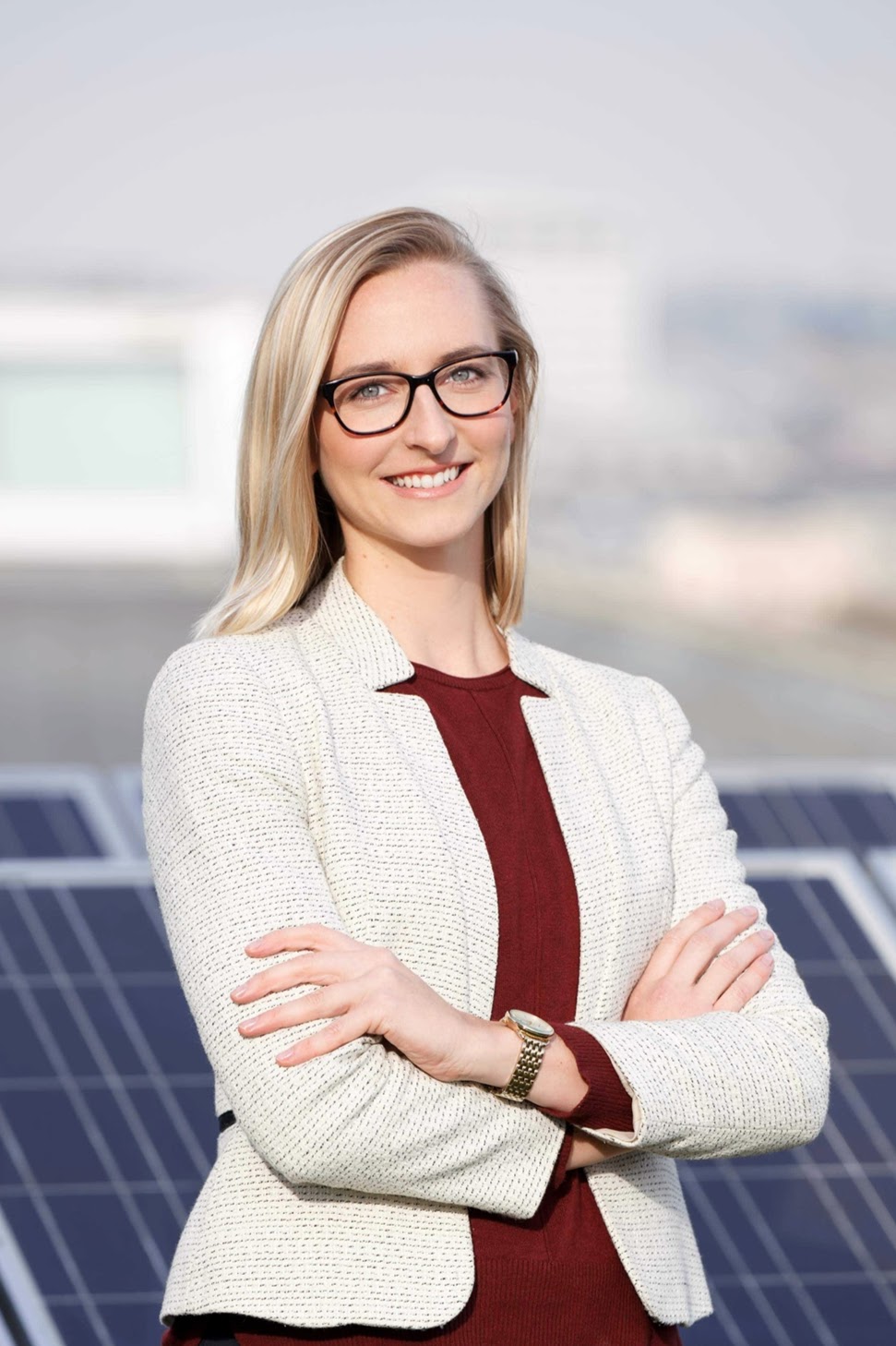
Georgia Stillwell

Georgia Stillwell

Head of Professional Services EMEA at ALICE Technologies

Georgia, with over 10 years in construction and risk management, is a renowned expert in capital project risk. She has advised global industry leaders and shared her insights as a guest lecturer at UCL and the University of Auckland, focusing on risk management and ConTech. A sought-after speaker, Georgia has featured at events like Builtworlds Paris and on Deloitte's FutureProofed podcast. As a member of the Institute of Risk Management, she's dedicated to leveraging AI for project risk and schedule optimization. Currently, she leads as Head of Professional Services at ALICE Technologies EMEA, driving innovation in construction. - My mission: to leverage innovation for a more resilient and equal world - 10+ years experience: construction + risk management for capital projects - Advised the largest global owners + contractors on risk - Guest lecturer: UCL, UoA, others on risk management & ConTech - Guest speaker: Builtworlds Paris, Deloittes FutureProofed pod and others - Member, Institute of Risk Management - 3+ years focusing on leveraging AI for risk management and schedule optimisation - Today, Head of Professional Services at ALICE Technologies EMEA

Connect

Related Episodes

More conversations on similar topics

S9E205

S9E205: Replicability of the Montreal REM Model with Riccardo Cosentino

In this episode of the Project Chatter podcast, hosts Val and Dale engage with Riccardo Cosentino to explore the unique aspects of the REM project in Canada, a public-private partnership (PPP) model that has garnered attention for its innovative funding and governance structure. Riccardo shares insights into the project's background, the role of the Quebec pension fund as a project sponsor, and the implications of risk management and return calculations. The conversation delves into the importance of early stakeholder involvement, the challenges of public opinion, and the potential for replicating this model in other sectors. Throughout the discussion, the significance of governance, long-term perspectives, and the necessary skill sets for project professionals are emphasized, providing valuable takeaways for listeners interested in infrastructure projects and PPPs. Takeaways The REM project is a unique public-private partnership model. Risk management is crucial in financing infrastructure projects. The obligation to repay investments can shift from taxpayers to private entities. Calculating returns involves considering ridership and land value capture. Contingency planning is integrated into the rate of return. Early involvement of stakeholders leads to better project outcomes. Governance structures can significantly impact project success. Long-term perspectives are essential for managing infrastructure investments. Curiosity and risk-taking are important traits for project professionals. The REM model could be applied to other sectors beyond transportation. Chapters 00:00 Introduction and Guest Background 03:24 Understanding Public-Private Partnerships (PPPs) 06:11 The REM Project Overview 08:56 Funding and Risk Management in the REM Project 11:55 Calculating Returns and Land Value Capture 14:33 Governance and Project Delivery 17:21 Long-Term Perspectives and Lifecycle Management 22:47 Changing Dynamics in Project Management 24:35 Governance and Change Management in Projects 26:38 Replicating Successful Project Models 29:08 Applying the Model Beyond Rail Projects 31:07 Reporting Mechanisms and Governance Structures 33:55 Skill Sets for Successful Project Delivery 35:39 Advice for Aspiring Project Professionals 37:27 Resilience in Today's Project Challenges 39:40 Future of the CDPQ Model and Its Replicability

Listen Now
S6E150

S6E150: Project Controls in Design & Engineering stages with Paul Waskett

In this week’s pod, we were joined by Paul Waskett to discuss Project Controls in design and engineering stages. Paul is a Director of Adept Management where he takes responsibility for the development of their Project Controls tools and services, as well as supporting clients and projects across the construction industry. Since 2014, Paul has been supporting two major rail projects. He is a Mechanical Engineer by background and has over 20 years’ experience in Design Management and Project Controls. In addition, Paul has spent time working in central government, where he managed a construction innovation budget, and as a researcher where he developed some of Adept Management's innovative approaches to design planning and management.  The main topics we discussed on the podcast were as follows: There is generally more scrutiny on the construction part of a design and build contract however both need equal attention in order to manage projects effectively Design planning is not as linear as other types of programmes. There are generally more interdependencies and iterations of designs Build a WBS and identify relevant activities and inputs before starting the planning process As the project is delivered, the Last Planner System can be used to monitor progress Using % complete to measure design progress can be difficult to implement consistently Working from home has made it more difficult to promote communication and problem solving in major projects as the relevant stakeholders are not collaborating as often as they would in an office based environment Earned Value Management only works when rules of credit are in place and all stakeholders are aware of the limitations of it being the sole measure of progress Digital twin can help engineers to assess the effect of what may seem like a small scale change on a design It is prudent to have a sole interface between engineering and project management in order to deliver a consistent message One of the key challenges for Engineering Managers is to get the “commitment” from the engineering team(s) to deliver to a specified date or budget Here are links to some of the topics we discussed: The Latham Report – Constructing The Team: https://constructingexcellence.org.uk/wp-content/uploads/2014/10/Constructing-the-team-The-Latham-Report.pdf Adept Management: https://www.adeptmanagement.com/ Last Planner System: https://leanconstructionblog.com/What-is-the-Last-Planner-System.html Join us next week when we speak to Tony Welch to discuss five levers for change. For more information, blogs or to support our charities visit www.projectchatterpodcast.com If you'd like to sponsor the podcast get in touch via our website.You can also leave us a voice message via our anchor page and let us know if there's something or someone specific that you would like on the podcast. Proudly sponsored by: https://www.justdo.com/ https://ineight.com/ Stay safe, be disruptive and have fun doing it! #ProjectManagement #Engineering #PMO #ProjectControls #Leadership #Culture

Listen Now
S8E197

S8E197: Engaging the Next Generation of Risk Managers with Seyi Daniyan

This episode proudly sponsored by Deltek. n this episode of the Project Chatter podcast, Dale and Martin welcome Seyi Daniyan, a project risk manager, who shares her career journey from chemical engineering to risk management. The conversation explores the importance of attracting young talent to the field, the fundamental concepts of risk management, and the skills necessary for success in this profession. Seyi emphasises the need for curiosity, effective communication, and the ability to influence others. The discussion also touches on the future of risk management roles and the evolving nature of the profession in response to technological advancements. In this engaging conversation, Dale and Seyi explore the evolving landscape of risk management, emphasising the need for decision analysts to evaluate project decisions effectively. They discuss the concept of reference class forecasting, the challenges of navigating financial discussions in risk workshops, and the lessons learned from the pandemic that reshaped risk management practices. The integration of AI in risk management is highlighted as a transformative tool, while the importance of engaging younger professionals and gamifying risk management processes is also addressed. Seyi shares insights on making risk management relatable and fun, ultimately encouraging open dialogue and mentorship in the field. Takeaways Shaye Danian transitioned from chemical engineering to project risk management. There is a significant lack of young professionals in project risk management. Risk management involves managing uncertain events, both positive and negative. Effective risk management can lead to projects being completed on time and within budget. Curiosity is a key trait for successful risk managers. Communication and influencing skills are essential in risk management. Graduate schemes should provide a solid foundation in project management. Risk management roles may evolve with advancements in technology. Understanding the different facets of project management is crucial for risk managers. Everyone engages in risk management in their daily lives. The need for decision analysts to evaluate project decisions. Reference class forecasting can enhance decision-making. Risk workshops should involve the right stakeholders. The pandemic highlighted gaps in traditional risk management. AI can revolutionize risk management practices. Engaging younger professionals is crucial for the future of the field. Gamification can make risk management more relatable. Food and informal settings can ease risk discussions. Understanding the difference between risks and issues is vital. Mentorship is important for newcomers in risk management.

Listen Now

Enjoyed this episode?

Subscribe to never miss a conversation with project experts