S5E11627 April 2022

S5E116: Achieving High-Performance Teamwork and Greater Success with Nick Fewings

S5E116

S5E116: Achieving High-Performance Teamwork and Greater Success with Nick Fewings

0:000:00
100%

In this week’s pod, we welcomed Nick Fewings to discuss achieving high-performance teamwork and greater success. Nick Fewings, Director of Ngagementworks, calls himself a Teamologist, someone who specialises in the study of the dynamics of teamwork, using this knowledge, to help teams become more effective. After a 20-year career in banking, working his way up from a cashier to a project leader, and finally a change director, Nick has spent the last two decades, developing teams across the globe, encouraging, facilitating, and helping them to make a positive difference to the effectiveness of their teamwork. During this period, he has profiled thousands of individuals across hundreds of teams. Nick is also the creator of the Team DyNAmics Model that measures overall team effectiveness across 16 areas of teamwork, important in helping to achieve high performance. When not working with teams, he is also a highly regarded, award-winning keynote conference speaker and to date, has spoken at over 500 conferences worldwide, including every branch of the APM, in the UK. The main topics we discussed on the podcast were as follows: ·        Research suggests only 10% of teams are high performing, 50% are average and 40% dysfunctional ·        Most teams do not know which category they fall into because they do not measure their teamwork ·        It is useful to view the traits of people on good days and bad days when reviewing Insights profiles ·        Purpose is more important than trust in developing high performing teams ·        Purpose is a task-based element whereas trust is more about the relationship. Many teams were driven by tasks to the detriment of relationships ·        Good leaders will tap into the preferred communication styles of red, yellow, blue, and greens within their teams when briefing team members ·        Anonymous feedback is the best way to enable more honest feedback when measuring team effectiveness over a period of time ·        Excellence is impossible to achieve within a team. Some teams will come close ·        There is a correlation between high performing teams and project success but it is not apparent in the Project Management industry ·        Having the right skill set and adaptability to inspire teams is important when recruiting future leaders as opposed to trying to force the right balance upon a team here are links to some of the topics we discussed: ·        Team, Lead, Success – Nick Fewings: https://www.amazon.co.uk/Team-Lead-Succeed-high-performance-teamwork-ebook/dp/B09SZHC6P9 ·        Team Dynamics Model: https://ngagementworks.com/teamwork/ ·        Clarity 4D Profile – Nick Fewings: https://ngagementworks.com/wp-content/uploads/2018/07/Nick_Fewings-Clarity4D-Profile.pdf ·        Google – What Makes a Good Team: https://rework.withgoogle.com/print/guides/5721312655835136/ Tune in next time when we’re joined by Magnus Olsen to discuss career challenges, opportunities, and trends - a student's perspective. For more information,

Guest

Nick Fewings

Nick Fewings

Teamologist at Ngagementworks Limited

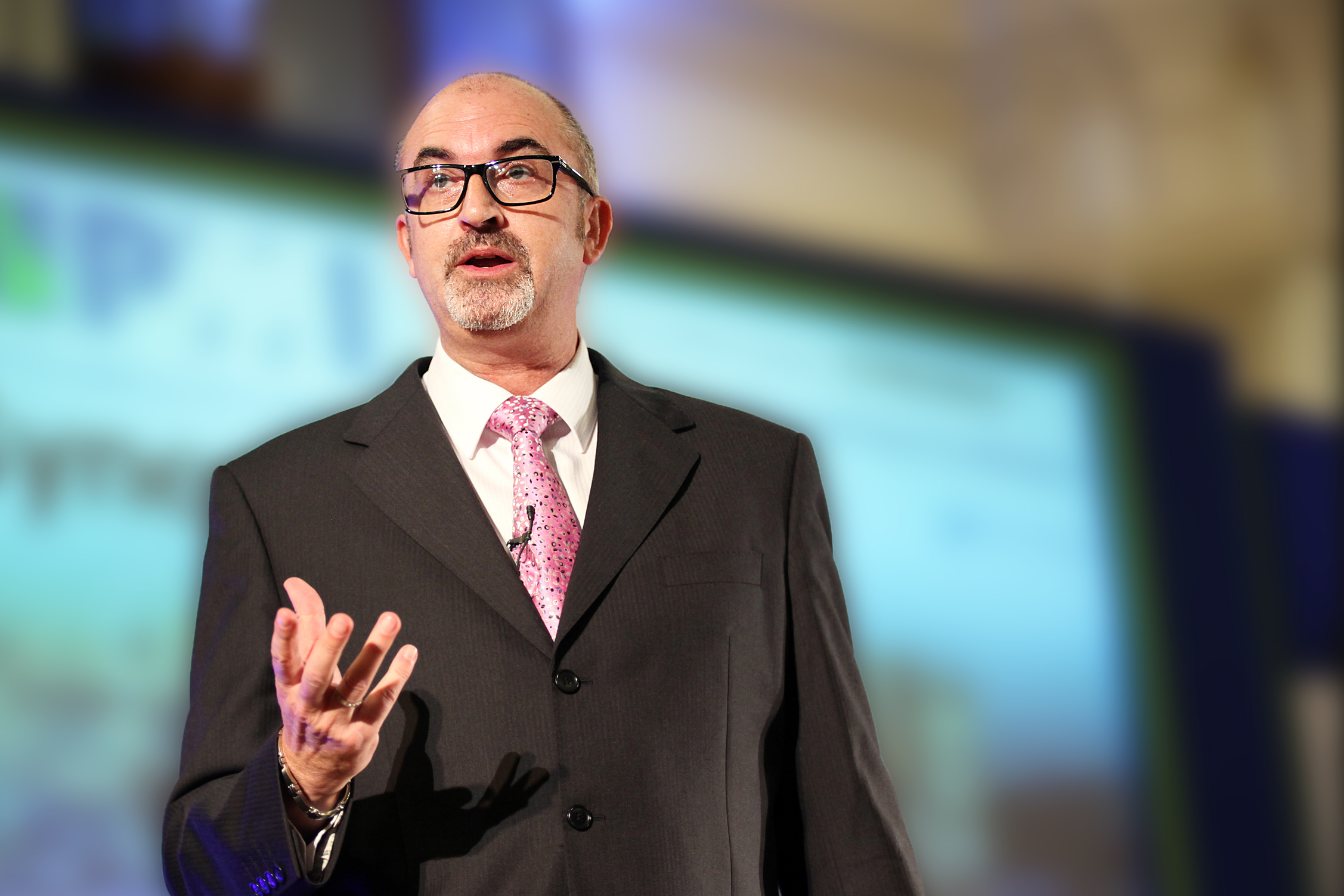
Nick Fewings, Director of Ngagementworks, calls himself a Teamologist, someone who specialises in the study of the dynamics of teamwork, using this knowledge, to help teams become more effective. After a 20-year career in banking, working his way up from a cashier to a project leader, and finally a change director, Nick has spent the last two decades, developing teams across the globe, encouraging, facilitating, and helping them to make a positive difference to the effectiveness of their teamwork. During this period, he has profiled thousands of individuals across hundreds of teams. Nick is also the creator of the Team DyNAmics Model that measures overall team effectiveness and effectiveness across 16 areas of teamwork, important in helping to achieve high-performance. When not working with teams, he is also a highly regarded, award winning keynote conference speaker and to date, has spoken at over 500 conferences worldwide, including every branch of the APM, in the UK. His most recent project, has been writing a book, Team Lead Succeed, which has received Best Seller status on Amazon, in addition to 5-star reviews. We are pleased to announce that Nick has agreed to share some of his insights into how to achieve high-performance teamwork, based on his knowledge and experience, over the last thirty years.

Connect

Related Episodes

More conversations on similar topics

S9E205

S9E205: Replicability of the Montreal REM Model with Riccardo Cosentino

In this episode of the Project Chatter podcast, hosts Val and Dale engage with Riccardo Cosentino to explore the unique aspects of the REM project in Canada, a public-private partnership (PPP) model that has garnered attention for its innovative funding and governance structure. Riccardo shares insights into the project's background, the role of the Quebec pension fund as a project sponsor, and the implications of risk management and return calculations. The conversation delves into the importance of early stakeholder involvement, the challenges of public opinion, and the potential for replicating this model in other sectors. Throughout the discussion, the significance of governance, long-term perspectives, and the necessary skill sets for project professionals are emphasized, providing valuable takeaways for listeners interested in infrastructure projects and PPPs. Takeaways The REM project is a unique public-private partnership model. Risk management is crucial in financing infrastructure projects. The obligation to repay investments can shift from taxpayers to private entities. Calculating returns involves considering ridership and land value capture. Contingency planning is integrated into the rate of return. Early involvement of stakeholders leads to better project outcomes. Governance structures can significantly impact project success. Long-term perspectives are essential for managing infrastructure investments. Curiosity and risk-taking are important traits for project professionals. The REM model could be applied to other sectors beyond transportation. Chapters 00:00 Introduction and Guest Background 03:24 Understanding Public-Private Partnerships (PPPs) 06:11 The REM Project Overview 08:56 Funding and Risk Management in the REM Project 11:55 Calculating Returns and Land Value Capture 14:33 Governance and Project Delivery 17:21 Long-Term Perspectives and Lifecycle Management 22:47 Changing Dynamics in Project Management 24:35 Governance and Change Management in Projects 26:38 Replicating Successful Project Models 29:08 Applying the Model Beyond Rail Projects 31:07 Reporting Mechanisms and Governance Structures 33:55 Skill Sets for Successful Project Delivery 35:39 Advice for Aspiring Project Professionals 37:27 Resilience in Today's Project Challenges 39:40 Future of the CDPQ Model and Its Replicability

Listen Now
S8E198

S8E198: PMO Conference 2024 - Live in Edinburgh

Proudly sponsored by Deltek. In this engaging podcast episode, the hosts introduce their guest, Michael Reinders, who shares his journey into project management and PMO. The conversation explores the evolution of PMO roles, the importance of change management, and the future trends impacting the workforce. The hosts and guests discuss strategies for engaging younger generations in PMO roles, emphasizing the need for trust, support, and fun in the workplace. The episode concludes with audience interaction, highlighting the importance of connection and engagement in project management. This conversation delves into the intricate relationship between project management and change management, emphasizing the need for distinct roles and methodologies. It explores generational perspectives on resilience and adaptability in the workplace, particularly in the context of AI integration. The discussion highlights the evolving role of PMOs in strategic initiatives and the importance of effective communication skills. Insights from podcast guests further enrich the conversation, providing a multifaceted view of the challenges and opportunities in project management today. takeaways The PMO role has evolved significantly over time. Change management is crucial for successful project delivery. AI tools can enhance project management efficiency. Work-life balance is essential for attracting talent. Engaging younger generations requires adapting to their values. Trust and support are foundational in team dynamics. Creating a fun work environment boosts morale and productivity. Understanding individual team members fosters better relationships. Continuous learning is vital for PMO professionals. Audience engagement enriches the podcast experience. Project managers need to understand change management requirements. Change management and project management are distinct disciplines. Leadership capabilities are essential for project managers. ProSci methodology is a key framework for change management. Organizational culture is crucial for successful project delivery. AI should be integrated into the entire project ecosystem. PMOs must have a voice at the C-suite level. Resilience is built through experience and challenges. Effective communication is vital for project success. PMOs should be recognized as a professional discipline.

Listen Now
S8E197

S8E197: Engaging the Next Generation of Risk Managers with Seyi Daniyan

This episode proudly sponsored by Deltek. n this episode of the Project Chatter podcast, Dale and Martin welcome Seyi Daniyan, a project risk manager, who shares her career journey from chemical engineering to risk management. The conversation explores the importance of attracting young talent to the field, the fundamental concepts of risk management, and the skills necessary for success in this profession. Seyi emphasises the need for curiosity, effective communication, and the ability to influence others. The discussion also touches on the future of risk management roles and the evolving nature of the profession in response to technological advancements. In this engaging conversation, Dale and Seyi explore the evolving landscape of risk management, emphasising the need for decision analysts to evaluate project decisions effectively. They discuss the concept of reference class forecasting, the challenges of navigating financial discussions in risk workshops, and the lessons learned from the pandemic that reshaped risk management practices. The integration of AI in risk management is highlighted as a transformative tool, while the importance of engaging younger professionals and gamifying risk management processes is also addressed. Seyi shares insights on making risk management relatable and fun, ultimately encouraging open dialogue and mentorship in the field. Takeaways Shaye Danian transitioned from chemical engineering to project risk management. There is a significant lack of young professionals in project risk management. Risk management involves managing uncertain events, both positive and negative. Effective risk management can lead to projects being completed on time and within budget. Curiosity is a key trait for successful risk managers. Communication and influencing skills are essential in risk management. Graduate schemes should provide a solid foundation in project management. Risk management roles may evolve with advancements in technology. Understanding the different facets of project management is crucial for risk managers. Everyone engages in risk management in their daily lives. The need for decision analysts to evaluate project decisions. Reference class forecasting can enhance decision-making. Risk workshops should involve the right stakeholders. The pandemic highlighted gaps in traditional risk management. AI can revolutionize risk management practices. Engaging younger professionals is crucial for the future of the field. Gamification can make risk management more relatable. Food and informal settings can ease risk discussions. Understanding the difference between risks and issues is vital. Mentorship is important for newcomers in risk management.

Listen Now

Enjoyed this episode?

Subscribe to never miss a conversation with project experts