S7E15419 February 2023

S7E154: EQ, IQ, and MQ: Unlocking Essential Skills with ACostE President Christine McLean

S7E154

S7E154: EQ, IQ, and MQ: Unlocking Essential Skills with ACostE President Christine McLean

0:000:00
100%

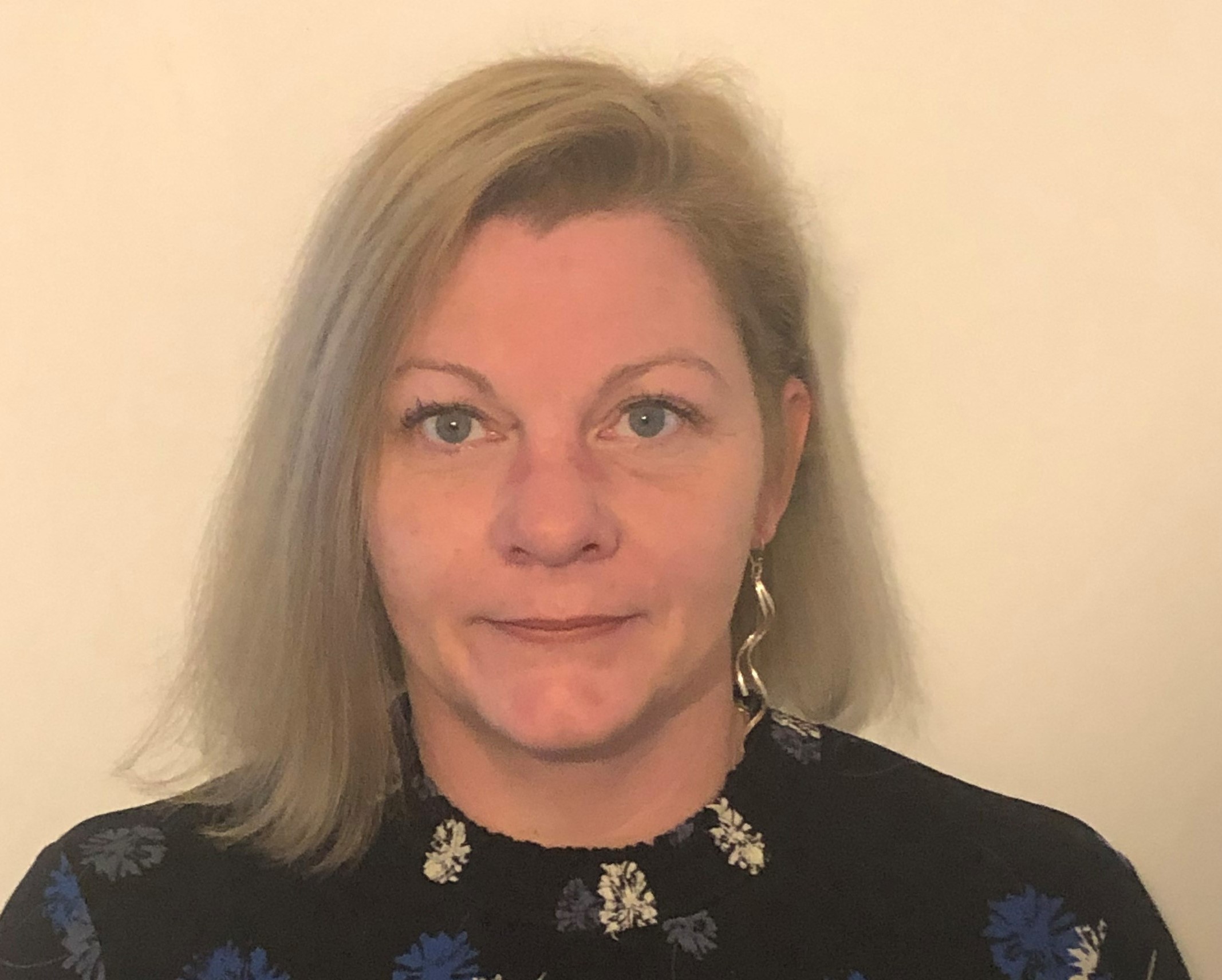
In this week’s pod, we were joined by Christine McLean to discuss EQ, IQ, and MQ: Unlocking the Power of Softer Skills Christine is the newly elected president of the ACostE, the professional home for project controls. She has more than 20 years of experience working in the utilities, oil and gas and nuclear sectors. She gained her fellowship in 2018 and is a certified cost engineer. Two years ago she transitioned from working in Project Controls to teaching Project Controls and wrote the first Academic Certificate in Project Controls in the US, which can now be taken as part of university studies. She is also a route panel member for IFATE, RQF Assessor, End Point assessment assessor and governor of her daughter's school. The main topics we discussed on the podcast were as follows:

There are currently 1,700 members of ACostE. Short term goal is to promote diversity within the industry Schools generally teach students to pass exams rather than focusing on communication skills which are essential for success in the workplace Exam results are not the best way of assessing someone’s capability for a role MQ – Motivation Quotium Seek feedback – always ask trusted friends and family to provide honest feedback Whilst you can train yourself to improve your Emotional Intelligence, it should be done in an authentic way. If you are unsure how someone is feeling, just ask them It is more common to be motivated by development and wanting to change the world Many Gen Z employees are motivated by wanting to make a difference to the world but do not know how to go about this

Here are links to some of the topics we discussed:

ACostE - https://acoste.org.uk/node/1

Join us next time when we’re re-joined by Hezron Ricketts to discuss Box to Box: the 'Black' boxes of Controls and Systems. For more information, blogs or to support our charities visit www.projectchatterpodcast.com If you'd like to sponsor the podcast get in touch via our website. You can also leave us a voice message via our anchor page and let us know if there's something or someone specific that you would like on the podcast. Proudly sponsored by: InEight - https://ineight.com/ Stay safe, be disruptive and have fun doing it!

Guest

Christine McLean

Christine McLean

President at ACostE

Christine is the newly elected president of the ACostE, the professional home for project controls. She has more than 20 years of experience working in utilities, oil and gas and nuclear sectors. She gained her fellowship in 2018 and is a certified cost engineer. Two years ago she transitioned from working in Project Controls to teaching Project Controls and wrote the first Academic Certificate in Project Controls in the US, which can now be taken as part of university studies. She is both passionate and protective of her profession. She also has 'side hustles' of being a route panel member for IFATE, RQF Assessor, End Point assessment assessor and governor of her daughters school.

Connect

Related Episodes

More conversations on similar topics

S9E205

S9E205: Replicability of the Montreal REM Model with Riccardo Cosentino

In this episode of the Project Chatter podcast, hosts Val and Dale engage with Riccardo Cosentino to explore the unique aspects of the REM project in Canada, a public-private partnership (PPP) model that has garnered attention for its innovative funding and governance structure. Riccardo shares insights into the project's background, the role of the Quebec pension fund as a project sponsor, and the implications of risk management and return calculations. The conversation delves into the importance of early stakeholder involvement, the challenges of public opinion, and the potential for replicating this model in other sectors. Throughout the discussion, the significance of governance, long-term perspectives, and the necessary skill sets for project professionals are emphasized, providing valuable takeaways for listeners interested in infrastructure projects and PPPs. Takeaways The REM project is a unique public-private partnership model. Risk management is crucial in financing infrastructure projects. The obligation to repay investments can shift from taxpayers to private entities. Calculating returns involves considering ridership and land value capture. Contingency planning is integrated into the rate of return. Early involvement of stakeholders leads to better project outcomes. Governance structures can significantly impact project success. Long-term perspectives are essential for managing infrastructure investments. Curiosity and risk-taking are important traits for project professionals. The REM model could be applied to other sectors beyond transportation. Chapters 00:00 Introduction and Guest Background 03:24 Understanding Public-Private Partnerships (PPPs) 06:11 The REM Project Overview 08:56 Funding and Risk Management in the REM Project 11:55 Calculating Returns and Land Value Capture 14:33 Governance and Project Delivery 17:21 Long-Term Perspectives and Lifecycle Management 22:47 Changing Dynamics in Project Management 24:35 Governance and Change Management in Projects 26:38 Replicating Successful Project Models 29:08 Applying the Model Beyond Rail Projects 31:07 Reporting Mechanisms and Governance Structures 33:55 Skill Sets for Successful Project Delivery 35:39 Advice for Aspiring Project Professionals 37:27 Resilience in Today's Project Challenges 39:40 Future of the CDPQ Model and Its Replicability

Listen Now
S8E197

S8E197: Engaging the Next Generation of Risk Managers with Seyi Daniyan

This episode proudly sponsored by Deltek. n this episode of the Project Chatter podcast, Dale and Martin welcome Seyi Daniyan, a project risk manager, who shares her career journey from chemical engineering to risk management. The conversation explores the importance of attracting young talent to the field, the fundamental concepts of risk management, and the skills necessary for success in this profession. Seyi emphasises the need for curiosity, effective communication, and the ability to influence others. The discussion also touches on the future of risk management roles and the evolving nature of the profession in response to technological advancements. In this engaging conversation, Dale and Seyi explore the evolving landscape of risk management, emphasising the need for decision analysts to evaluate project decisions effectively. They discuss the concept of reference class forecasting, the challenges of navigating financial discussions in risk workshops, and the lessons learned from the pandemic that reshaped risk management practices. The integration of AI in risk management is highlighted as a transformative tool, while the importance of engaging younger professionals and gamifying risk management processes is also addressed. Seyi shares insights on making risk management relatable and fun, ultimately encouraging open dialogue and mentorship in the field. Takeaways Shaye Danian transitioned from chemical engineering to project risk management. There is a significant lack of young professionals in project risk management. Risk management involves managing uncertain events, both positive and negative. Effective risk management can lead to projects being completed on time and within budget. Curiosity is a key trait for successful risk managers. Communication and influencing skills are essential in risk management. Graduate schemes should provide a solid foundation in project management. Risk management roles may evolve with advancements in technology. Understanding the different facets of project management is crucial for risk managers. Everyone engages in risk management in their daily lives. The need for decision analysts to evaluate project decisions. Reference class forecasting can enhance decision-making. Risk workshops should involve the right stakeholders. The pandemic highlighted gaps in traditional risk management. AI can revolutionize risk management practices. Engaging younger professionals is crucial for the future of the field. Gamification can make risk management more relatable. Food and informal settings can ease risk discussions. Understanding the difference between risks and issues is vital. Mentorship is important for newcomers in risk management.

Listen Now
S8E195

S8E195: Why Change Management Matters with Karen Ball

This episode is proudly sponsored by Deltek In this episode of the Project Chatter podcast, Val and Martin engage with Karen Ball from ProSci to explore the intricacies of change management. They discuss Karen's journey into the field, the growing demand for change management services, and the impact of remote work on the discipline. The conversation delves into the distinctions between change managers and project managers, the importance of change management in ERP projects, and the evolution of the field over the past 25 years. Finally, they contemplate the future of change management in the context of AI and technology, emphasizing the need for a human-centric approach in an increasingly automated world. In this conversation, Karen Ball discusses the critical role of change management in organizations, emphasizing the importance of cultural readiness, the impact of change managers, and the need for effective measurement of change success. She highlights the significance of building change capability and the resources available for learning about change management. The discussion also touches on the evolving nature of leadership in change management and the necessity for organizations to support their employees through transitions.takeaways Change management is essential for successful project outcomes. The demand for change management has always existed, but awareness is increasing. Remote work has changed how change management strategies are developed and implemented. Effective communication is crucial for successful change management. Change managers focus on the people side of change, while project managers handle the technical aspects. Organizations often underestimate the importance of change management in achieving project benefits. AI and technology will continue to evolve, impacting change management practices. Investing in change management can significantly enhance project success rates. The ADCAR model is a key framework for understanding individual change journeys. Maturity in change management practices has improved over the years, but challenges remain. ProSci focuses on plain language for effective communication. Change management is essential for achieving full adoption of changes. Cultural readiness significantly impacts the success of change initiatives. Measuring success in change management requires a focus on adoption and proficiency. Organizations need to build change capability as a strategic component. Active sponsorship is crucial for successful change management. Tools and methodologies can guide change management practices. Self-learning and curiosity are vital for understanding change management. Change management resources are abundant and accessible for learning. The human aspect of change management remains irreplaceable.

Listen Now

Enjoyed this episode?

Subscribe to never miss a conversation with project experts