S5E1056 February 2022

S5E105: Productivity, Prioritisation & Focus with Nigel Creaser

S5E105

S5E105: Productivity, Prioritisation & Focus with Nigel Creaser

0:000:00
100%

In this week’s pod, we welcomed Nigel Creaser to discuss Productivity, Prioritisation, and Focus.  Nigel is a Project Manager from Shropshire in the UK. He has over 25 years in the industry, delivering multi-million-pound projects across a myriad of sectors.   He is also the host of the Sunday Lunch Project Manager Podcast and author of several books in the Project Management profession, with a couple of them poking fun at the profession.  The main topics we discussed on the podcast were as follows:   Productivity is effectively making time to allow you to do the things you want to do rather than have to do  Time management skills are often perceived as a soft skill therefore it doesn’t get the same level of attention as more technical tasks  It’s assumed you’ll find a way to do it rather than a subject that is taught at school  The difference between productivity and efficiency is down to effectiveness. Businesses can be very efficient at producing poor quality outputs  If you don’t manage yourself it is easy to get diverted to something more exciting  All meetings need to have a clear agenda and attendee list  If you choose not to decide, you have still made a choice  Calendar management is ultimately your responsibility. There may be consequences to certain decisions but you should own this as it is your time  Try to avoid context switching which leads to distractions. Plan time to do the more mundane tasks and do them effectively  There is an art to knowing what is important. Be prepared to offer feedback and training when you see other people who are struggling to prioritise  Be conscious that other people will prioritise for you if you do not take charge of your prioritise. This may not be the right thing for you   It is useful to measure the amount of time you are interrupted in your day job and assess techniques to alleviate  Use technology to stop non-productive distractions e.g. mute button on Whatsapp or rules in Outlook

Here are links to some of the concepts we discussed:   Nigel Creaser – Project Manager Productivity Hacks: https://www.amazon.co.uk/Project-Manager-Productivity-Hacks-2021-ebook/dp/B094DJ9M38 Manager Tools Podcast: https://www.manager-tools.com/all-podcasts How to Create Rules to move email messages to different folders in Outlook Office 365: How to Create Rules to move email messages to different folders in Outlook Office 365  Workplace Jazz: https://workplace-jazz.com/ Eddie Obeng – Qube: https://qube.cc/what-is-qube/  Tune in next week when we’re joined by Richard Newey to discuss Risk Management in endurance sports.  For more information, blogs or to support our charities visit www.projectchatterpodcast.com If you'd like to sponsor the podcast get in touch via our website.    You can also leave us a voice message via our anchor page and let us know if there's something or someone specific that you would like on the podcas

Guest

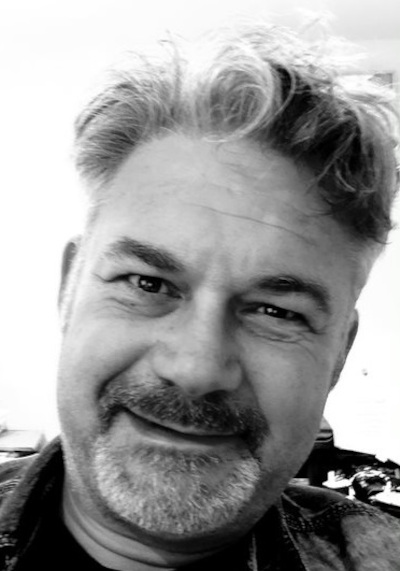
Nigel Creaser

Nigel Creaser

Portfolio Manager at Capgemini but tend not to mention this as they are painful to get releases So Host of the Sunday Lunch Project Manager Podcast :-)

Is a Project Manager from Shriopshire in the UK. He has over 25 years in the industry, deliver multi-million pound projects across a myriad of sectors. He is also podcast host of the Sunday Lunch Project Manager Podcast and author of several books in the project management profession, with a couple of them poking fun at the profession.

Connect

Related Episodes

More conversations on similar topics

S9E205

S9E205: Replicability of the Montreal REM Model with Riccardo Cosentino

In this episode of the Project Chatter podcast, hosts Val and Dale engage with Riccardo Cosentino to explore the unique aspects of the REM project in Canada, a public-private partnership (PPP) model that has garnered attention for its innovative funding and governance structure. Riccardo shares insights into the project's background, the role of the Quebec pension fund as a project sponsor, and the implications of risk management and return calculations. The conversation delves into the importance of early stakeholder involvement, the challenges of public opinion, and the potential for replicating this model in other sectors. Throughout the discussion, the significance of governance, long-term perspectives, and the necessary skill sets for project professionals are emphasized, providing valuable takeaways for listeners interested in infrastructure projects and PPPs. Takeaways The REM project is a unique public-private partnership model. Risk management is crucial in financing infrastructure projects. The obligation to repay investments can shift from taxpayers to private entities. Calculating returns involves considering ridership and land value capture. Contingency planning is integrated into the rate of return. Early involvement of stakeholders leads to better project outcomes. Governance structures can significantly impact project success. Long-term perspectives are essential for managing infrastructure investments. Curiosity and risk-taking are important traits for project professionals. The REM model could be applied to other sectors beyond transportation. Chapters 00:00 Introduction and Guest Background 03:24 Understanding Public-Private Partnerships (PPPs) 06:11 The REM Project Overview 08:56 Funding and Risk Management in the REM Project 11:55 Calculating Returns and Land Value Capture 14:33 Governance and Project Delivery 17:21 Long-Term Perspectives and Lifecycle Management 22:47 Changing Dynamics in Project Management 24:35 Governance and Change Management in Projects 26:38 Replicating Successful Project Models 29:08 Applying the Model Beyond Rail Projects 31:07 Reporting Mechanisms and Governance Structures 33:55 Skill Sets for Successful Project Delivery 35:39 Advice for Aspiring Project Professionals 37:27 Resilience in Today's Project Challenges 39:40 Future of the CDPQ Model and Its Replicability

Listen Now
S8E197

S8E197: Engaging the Next Generation of Risk Managers with Seyi Daniyan

This episode proudly sponsored by Deltek. n this episode of the Project Chatter podcast, Dale and Martin welcome Seyi Daniyan, a project risk manager, who shares her career journey from chemical engineering to risk management. The conversation explores the importance of attracting young talent to the field, the fundamental concepts of risk management, and the skills necessary for success in this profession. Seyi emphasises the need for curiosity, effective communication, and the ability to influence others. The discussion also touches on the future of risk management roles and the evolving nature of the profession in response to technological advancements. In this engaging conversation, Dale and Seyi explore the evolving landscape of risk management, emphasising the need for decision analysts to evaluate project decisions effectively. They discuss the concept of reference class forecasting, the challenges of navigating financial discussions in risk workshops, and the lessons learned from the pandemic that reshaped risk management practices. The integration of AI in risk management is highlighted as a transformative tool, while the importance of engaging younger professionals and gamifying risk management processes is also addressed. Seyi shares insights on making risk management relatable and fun, ultimately encouraging open dialogue and mentorship in the field. Takeaways Shaye Danian transitioned from chemical engineering to project risk management. There is a significant lack of young professionals in project risk management. Risk management involves managing uncertain events, both positive and negative. Effective risk management can lead to projects being completed on time and within budget. Curiosity is a key trait for successful risk managers. Communication and influencing skills are essential in risk management. Graduate schemes should provide a solid foundation in project management. Risk management roles may evolve with advancements in technology. Understanding the different facets of project management is crucial for risk managers. Everyone engages in risk management in their daily lives. The need for decision analysts to evaluate project decisions. Reference class forecasting can enhance decision-making. Risk workshops should involve the right stakeholders. The pandemic highlighted gaps in traditional risk management. AI can revolutionize risk management practices. Engaging younger professionals is crucial for the future of the field. Gamification can make risk management more relatable. Food and informal settings can ease risk discussions. Understanding the difference between risks and issues is vital. Mentorship is important for newcomers in risk management.

Listen Now
S8E191

S8E191: Detox Your Culture with Colin D Ellis

In this episode of the Project Chatter Podcast, Dale, Martin and Colin D Ellis discuss the evolving landscape of workplace culture, particularly in the aftermath of COVID-19. They explore the necessity of detoxifying toxic cultures, the importance of leadership in fostering a positive environment, and the role of employees in shaping culture. Colin shares insights from his latest book, emphasizing the need for organizations to actively manage their culture and mitigate risks associated with toxicity. The conversation also touches on the impact of AI on workplace dynamics and the significance of effective feedback and personality awareness in team settings. Takeaways 🧬 Culture is a choice that organizations must actively make. 🧬 Every workplace has the potential for a vibrant culture. 🧬 Toxic culture can manifest in various forms, from poor communication to severe harassment. 🧬 Leadership plays a crucial role in mitigating toxic culture risks. 🧬 New employees should be aware of cultural dynamics and how to address them. 🧬 Purpose and vision should be collaboratively defined within organizations. 🧬 Effective feedback is essential for maintaining a healthy culture. 🧬 Personality dynamics can significantly impact team performance and culture. 🧬 Measuring culture requires a balance of engagement and emotional intelligence. 🧬 AI presents both opportunities and threats to workplace culture. Chapters 00:00 Introduction and Context of Workplace Culture 02:52 The Importance of Detoxifying Workplace Culture 05:57 Understanding Toxic Culture and Its Symptoms 09:13 Mitigating Toxic Culture Risks 11:56 The Role of Leadership in Culture 14:52 Creating and Maintaining a Positive Culture 18:14 The Impact of Purpose and Vision on Culture 20:58 Balancing Truth and Order in Project Management 24:11 Feedback and Communication in Culture 26:58 Personality Types and Team Dynamics 29:50 The Evolution of Colin's Books on Culture 33:12 The Role of HR in Culture Management 36:01 Measuring Culture Effectively 39:17 AI's Role in Workplace Culture 42:08 Audience Questions and Insights 45:16 Final Thoughts on Culture Responsibility #ProjectManagement #PMO #ProjectControls #Leadership #Culture #ProjectCertifications

Listen Now

Enjoyed this episode?

Subscribe to never miss a conversation with project experts